Records
Can You Go to Canada if You Have a DUI?
Can You Go to Canada if You Have a DUI?
You can go to Canada if you have a DUI, but usually only after extra steps. Canada treats a U.S. DUI as a crime that can make you inadmissible, and for offenses on or after December 18, 2018 it counts as serious criminality because Canada raised the maximum sentence to 10 years. Five years after your sentence ends, including probation, you can apply for criminal rehabilitation (C$1,231 for serious criminality). Before then, you need a temporary resident permit (C$246.25) and a strong reason to travel. See how long a DUI stays on your record.
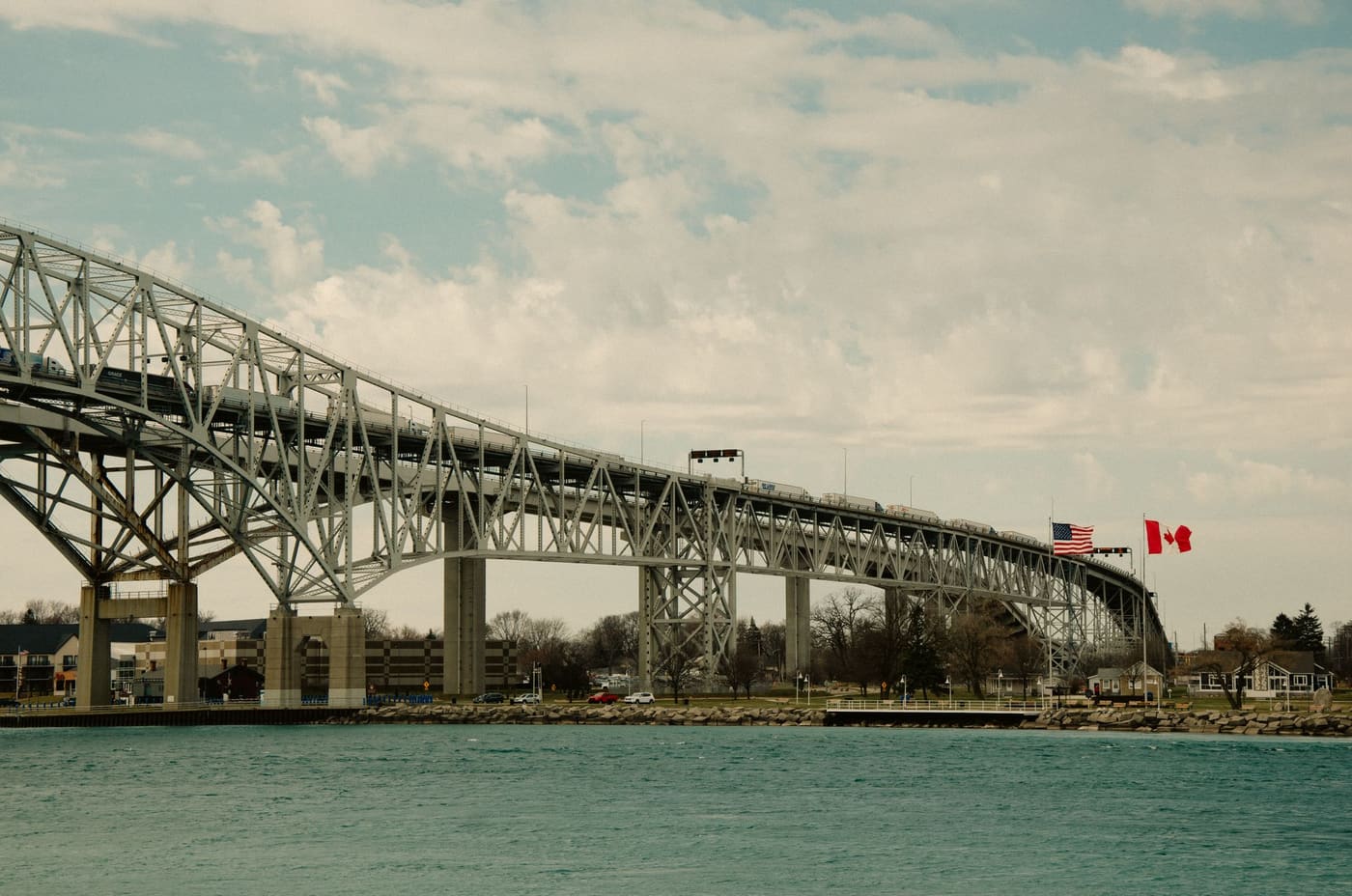
A DUI can keep you out of Canada. Canada treats impaired driving as a crime, and a U.S. DUI conviction can make you what its immigration law calls “criminally inadmissible,” even for a weekend road trip.
That doesn’t mean the border is closed to you for life. Canada offers three ways back in, and which one fits depends on when your DUI happened and how long ago your sentence ended. Here’s how each works, what it costs in 2026 and how long it takes.
Why Canada Treats a U.S. DUI as a Serious Crime
Canada judges a foreign conviction by asking what the same act would be in Canada. Impaired driving is a criminal offense under Canada’s Criminal Code, so a DUI, DWI or OWI from any U.S. state counts. The name your state uses doesn’t change that; the DUI vs DWI guide explains why states use different terms for the same offense.
The bigger factor is a law change. Tougher impaired driving penalties took effect in Canada on December 18, 2018. Under the current Criminal Code, impaired driving carries up to 10 years in prison. Under the Immigration and Refugee Protection Act, a foreign conviction that matches a Canadian offense with a maximum of 10 years or more is “serious criminality.” Immigration, Refugees and Citizenship Canada (IRCC) now says a person convicted of impaired driving may be inadmissible for serious criminality.
That label matters because it shuts one door completely and makes another more expensive, as the sections below show.
It doesn’t matter that a first DUI is usually a misdemeanor in your state. Canada looks at its own maximum penalty, not the sentence you received. The first DUI guide covers what a first offense means at home.
When Your DUI Happened Changes the Rules
The date of the offense decides which rules apply. IRCC uses the penalties in force at the time of the offense.
| Your DUI | How Canada classifies it | Can you be deemed rehabilitated? | Earliest rehabilitation application |
|---|---|---|---|
| Before December 18, 2018 | Criminality | Yes, 10 years after the sentence ends | 5 years after the sentence ends |
| On or after December 18, 2018 | Serious criminality | No | 5 years after the sentence ends |
If your DUI predates the change, you’re in the easier group. If it came after, plan on applying, because the automatic route isn’t open to you. For a sense of how far back drunk driving laws go, see the post on when drinking and driving became illegal.
How Long After a DUI Can You Go to Canada?
For most people, the answer is five years after your entire sentence ends, plus the time it takes Canada to approve your rehabilitation application.
“Sentence” means everything the court ordered, not just jail. IRCC counts the end of your sentence including probation, and its application guide counts the five years from the end date of a driving prohibition in its DUI example. If the court also ordered fines or classes, finish those before you count. An ignition interlock order that runs past probation is worth asking the court about, so you know your true end date.
So if you were convicted in 2023 and finished probation in 2025, the five-year clock starts in 2025, not on the date of your arrest. Keep the court documents that show when each part ended.
The deadline calculator tracks the early dates after an arrest, such as the license hearing deadline. Canada’s clock runs much longer, from the day your sentence is fully complete.
Deemed Rehabilitation: The Automatic Route for Older DUIs
Deemed rehabilitation means Canada treats you as rehabilitated without an application, once enough time has passed. You don’t fill out a form or pay a fee.
According to IRCC’s deemed rehabilitation rules, it applies only when:
- the Canadian equivalent of your crime carries a maximum prison term of less than 10 years;
- you have one conviction in total; and
- at least 10 years have passed since you completed every part of the sentence.
A single DUI from before December 18, 2018 can qualify once those 10 years pass. A DUI on or after that date can’t, because the Canadian maximum is now 10 years. IRCC still suggests getting assessed before you travel, since the border officer makes the final call.
Criminal Rehabilitation: Clearing Your DUI for Good
Criminal rehabilitation is a one-time application that, once approved, removes the inadmissibility permanently. It’s the main route for anyone with a DUI after 2018.
You can apply once at least five years have passed since the end of your sentence. You use the Application for Criminal Rehabilitation (IMM 1444) and the document checklist (IMM 5507) described in IRCC Guide 5312. You’ll need to show you’ve been rehabilitated and are highly unlikely to offend again, and you may need court records showing the charge, the sentence and when it ended.
Fees from the IRCC fee list, in Canadian dollars, as of November 2026:
| Application | Fee (C$) |
|---|---|
| Rehabilitation, criminality (most DUIs before December 18, 2018) | $246.25 |
| Rehabilitation, serious criminality (DUIs on or after December 18, 2018) | $1,231.00 |
| Temporary resident permit, per person | $246.25 |
Fees aren’t refunded if you’re refused. IRCC warns that rehabilitation applications can take over a year, so apply well before any trip you care about.
Temporary Resident Permit: Getting in Before Five Years Pass
A temporary resident permit (TRP) lets an inadmissible person into Canada for a set period. It’s the only option if your sentence ended less than five years ago, or if you need to travel while a rehabilitation application is pending.
The permit costs C$246.25. A TRP isn’t a formality: the officer weighs your reason for the trip against the risk to Canadian society, and IRCC says a permit can be refused. A TRP is issued for a limited time and can be cancelled at any time, so it covers a trip, not a lifetime of travel.
What Happens at the Border
Canada’s immigration law requires you to answer every question truthfully during the border examination, and that includes questions about a criminal record.
If you arrive with a DUI and no rehabilitation or permit, you can be refused entry, so settle your status before the trip.
A few situations change the answer:
- Arrested but not convicted. IRCC’s rule covers crimes you’ve committed, not only convictions, so a pending charge can still count. Carry papers showing a dismissal or acquittal. The guide to what happens after a DUI walks through how cases end.
- Expunged or sealed. Clearing a DUI in your state is still worth doing, and the DUI expungement guide lists which states allow it. For Canada, bring the court order with you, since officers can ask for court documents.
- Convicted before age 18. IRCC says you may still be able to enter.
- Commercial drivers. If your job takes you across the border, a DUI hits twice: Canada’s entry rules and the federal disqualification covered in the DUI with a CDL guide.
How a DUI Record Follows You
Canada’s rules run on their own clock, separate from your state’s. A DUI can drop off your driving record, or out of your state’s repeat-offense lookback window, years before Canada stops counting it. The guide on how long a DUI stays on your record explains each of those state clocks.
For questions about your own case, such as whether to apply now or wait for deemed rehabilitation, talk to a lawyer licensed in Canadian immigration law. For the U.S. side of a pending charge, the guide to finding a DUI lawyer covers public defenders and checking a lawyer’s license.
Frequently Asked Questions
Is a DUI a Felony in Canada?
Canada doesn't use the word felony. Impaired driving there is a hybrid offense: prosecutors can treat it as an indictable offense, with up to 10 years in prison, or as a summary offense, with a fine of up to $5,000 or up to two years less a day. A first offense carries a minimum $1,000 fine either way. In the U.S., whether a DUI is a felony depends on the state, which the DUI felony guide covers.
Can You Get Global Entry With a DUI?
It's harder. U.S. Customs and Border Protection says you may not be eligible for Global Entry if you have been convicted of any criminal offense, and it names driving under the influence. A pending DUI charge counts against you too. You must also show CBP you're low risk.
Will the Border Officer Know About My DUI?
Plan on the officer asking. Canada's immigration law says anyone seeking entry must answer every question in the examination truthfully, and that includes questions about your criminal record. The safer path is to sort out your status before the trip.
How Long After a DUI Can You Go to Canada?
Without a permit, generally five years after your whole sentence ends, and only once Canada approves your criminal rehabilitation application. For a DUI before December 18, 2018, you may be deemed rehabilitated automatically 10 years after the sentence ended. Inside those windows, you need a temporary resident permit.
Does a DUI Arrest Without a Conviction Keep You Out of Canada?
It can. Canada's rule covers crimes you have committed as well as convictions, so an officer can weigh a pending charge. Bring the court papers that show how the case ended, such as a dismissal, when you travel.
Can a Canadian Record Suspension Clear a U.S. DUI?
No. A record suspension from the Parole Board of Canada applies to convictions in Canada. For a DUI from a U.S. court, the routes are deemed rehabilitation, criminal rehabilitation or a temporary resident permit.
Guides on This Topic
- How Long a DUI Stays on Your RecordDriving record vs criminal record, and lookback periods
- DUI ExpungementWhich states allow expungement or sealing of a DUI
- Is a DUI a Felony?When a DUI becomes a felony in each state
- What Happens After a DUIThe arrest, license deadline, court process and what comes after
More From the Blog
- Does a Breathalyzer Detect Weed?Does a breathalyzer detect weed? No. See how police test for THC instead, from drug recognition experts to blood tests, and the THC limits states set.
- When Did Drinking and Driving Become Illegal?When did drinking and driving become illegal? The first state law came in 1906. See how DUI law grew from there to today's 0.08 limit, with official sources.
This post explains DUI law in plain language from official sources. It isn't legal advice; laws differ by state and change, and a lawyer licensed in your state can advise on your case.
Sources
- IRCC: Overcome Criminal Convictions
- IRCC: Impaired Driving and Inadmissibility
- IRCC: Deemed Rehabilitation
- IRCC: Guide 5312, Rehabilitation for Persons Inadmissible to Canada
- IRCC: Temporary Resident Permit
- IRCC: Fee List
- Immigration and Refugee Protection Act, s. 36
- Immigration and Refugee Protection Act, s. 16
- Criminal Code of Canada, s. 320.19
- U.S. Customs and Border Protection: Global Entry Eligibility